 Bedding
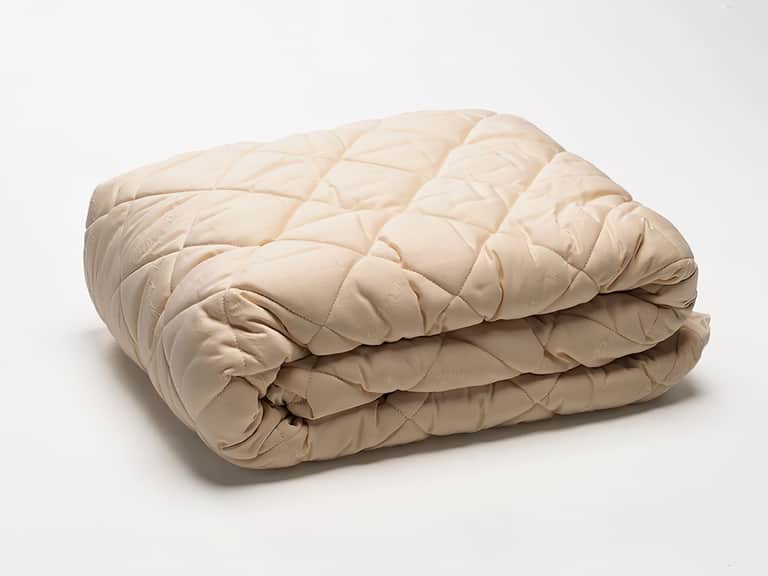
Suite Sleep Washable Wool Mattress Pad
Sink into plush, natural wool with organic cotton all around for a soft, breathable sleep surface that stays snug on your mattress and washes easy for busy nights.
Mattress protectors and pads are essential components for extending mattress life, maintaining hygiene, and preserving fabric integrity. They act as a barrier against spills, stains, and allergens while allowing breathability to support comfortable sleep. Understanding material construction, fit, and care helps select a protector that aligns with bedding goals and mattress type.
Key features to consider include waterproof backing, percale or jersey top fabrics, and quilting that balances softness with contouring support. Certain protectors incorporate breathable membranes or wool fillings to regulate temperature, reduce moisture buildup, and minimize motion transfer. These characteristics influence durability, comfort, and long-term performance of organic mattresses and other bed setups.
Pad options, such as the Suite Sleep washable wool mattress pad, emphasize natural moisture management and temperature regulation. Wool fibers wick dampness, provide warmth in cooler months, and remain breathable in warmer conditions. Functional benefits include enhanced sleep comfort, improved allergen resistance, and a quieter, more plush feel under various sleep positions.
In bedding ecosystems that include adjustable beds, pillow configurations, and duvet covers, a well-chosen protector or pad preserves mattress integrity without compromising flexibility. Compatibility with fitted sheets and ease of cleaning are practical considerations, as care routines influence longevity. Selecting the right product depends on moisture control needs, skin sensitivity, and preferred fabric touch.
Overall, mattress protectors and pads serve as a practical, hygienic layer that supports sleep quality and mattress durability. By evaluating material properties, fit, and maintenance requirements, users can optimize bedding setups for comfort and health. Keywords such as bedding, pillows, duvet covers, organic mattresses, and adjustable beds reflect the broader context of a well-balanced sleep environment.
Bedding