A Practical Guide to Ergonomic Sleep: Bed Height and Support with Vispring and The Clean Bedroom
Explore how bed height, mattress firmness, and overall support influence sleep quality. This guide draws on evidence-based ergonomics and references reliable brands like Vispring and The Clean Bedroom to illustrate practical adjustments for different body types and sleep positions.
Sleep Position, Firmness, and Spinal Alignment
In the world of sleep science, the relationship between mattress firmness and sleeping posture is a dance of support and cushion. People spend a third of their lives horizontal, and the position you favor—back, side, or stomach—signals different alignment needs for the spine. For back sleepers, a mattress that provides uniform support along the entire length of the spine helps maintain the natural lordotic curve without creating pressure points. Side sleepers benefit from a slightly softer surface that cushions shoulders and hips while preserving neck and lumbar alignment. Stomach sleepers, who tend to experience the most spinal stress from poor alignment, often require a firmer surface to prevent sagging that can lead to mid-back discomfort.
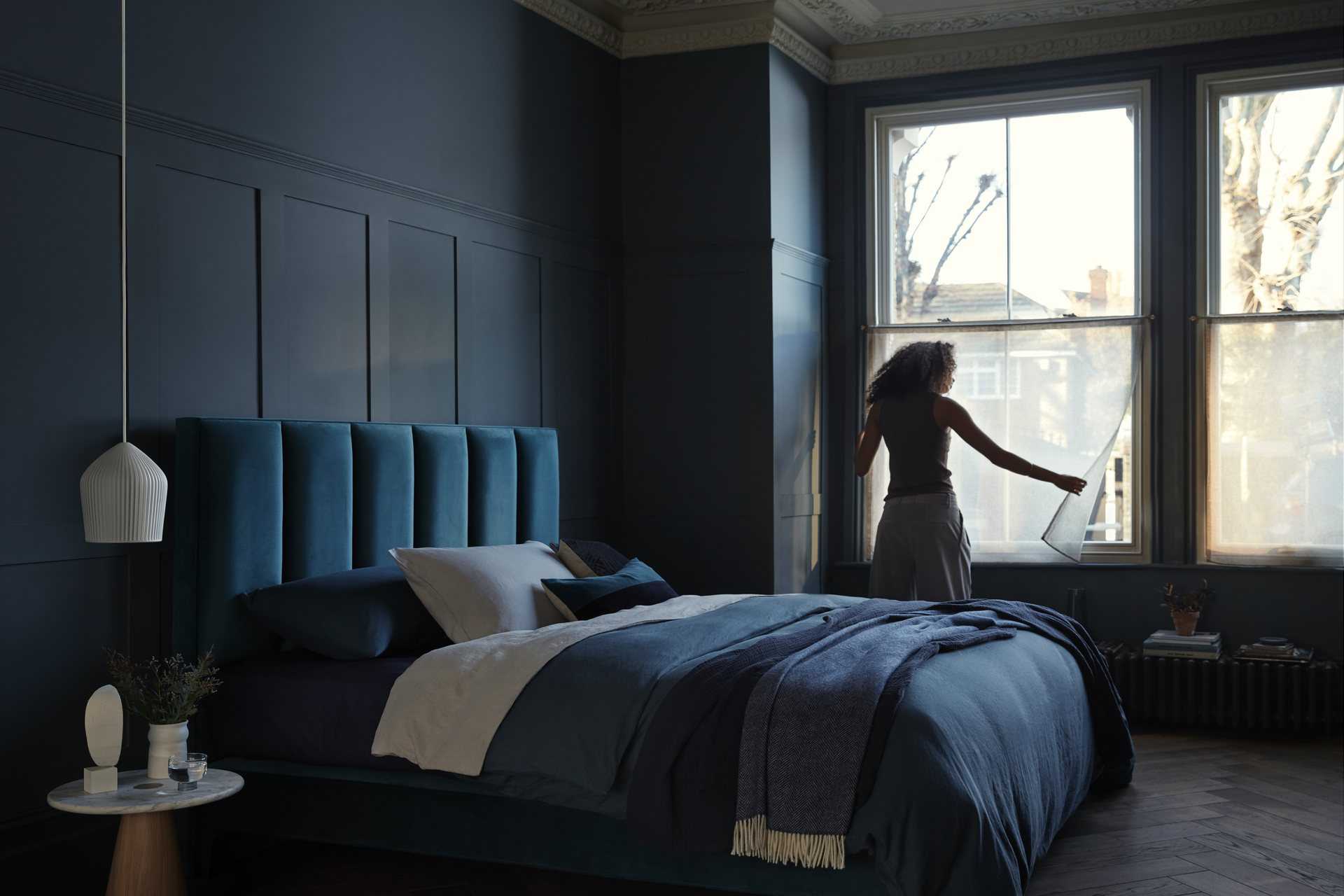
Brands like Vispring emphasize premium materials and precise layering to tailor this balance. The Regal Superb, for example, uses a layered construction with real Shetland wool and long-stranded horsetail blends that create loft, temperature regulation, and airflow. In contrast, The Clean Bedroom’s approach with the Carolina Upholstered Bed frames a modern, supportive bed base that harmonizes with a range of mattresses, including those that emphasize contouring and support for different sleeping postures.
The practical takeaway: start with a mattress firmness that supports your typical posture, then adjust with a pillow that aligns your neck to your spine. When you pair a well-chosen mattress with a compatible bed height and frame design, you begin to feel a more stable, less disruptive night’s sleep.
Bed Height: Getting In, Getting Up, and Body Geometry
Bed height, often overlooked, is a crucial ergonomic factor. If a bed is too low, getting in and out can strain the hips and lower back; if it’s too high, standing up from a prone position may require extra effort, especially for taller individuals, seniors, or those with mobility challenges. An ideal bed height typically places the sleeping surface about 20 to 25 centimeters (roughly 8 to 10 inches) above the floor, but the right sweet spot varies with leg length, mobility, and the surrounding bedroom layout.
Vispring’s craftsmanship offers insight into how frame design complements comfort. A high-value option like the Regal Superb uses a deep, supportive foundation that remains stable even when a sleep surface is elevated by a mattress topper or a specific foundation. Meanwhile, The Clean Bedroom’s Carolina Upholstered Bed demonstrates how a maplewood frame with a padded, durable upholstery layer can set a comfortable, accessible height without compromising aesthetics. For households where mobility is a priority, a platform bed with a slight lift and a low-footboard design can reduce fog of movement around the room while maintaining a clean, modern silhouette.
Practical adjustment tips:
- Measure your leg length and consider a bed height that keeps your knees and hips at roughly a 90-degree angle when seated at the edge.
- Test a frame with a supportive foundation; a solid slat system or a modern base reduces squeaks and sag that can make getting up harder.
- Use a bed with a headboard that provides back support while seated at the edge for dressing or reading before sleep.
Frame Design, Slats, and Support Surfaces
The surface that supports your mattress does more than hold the mattress up. It affects ventilation, spinal alignment, and the distribution of weight across the bed. A well-designed frame paired with an appropriate foundation helps prevent pressure build-up in the hips, shoulders, and lower back. Vispring’s use of tailored fillings and edges creates a sleep surface that remains stable, while The Clean Bedroom’s modern frames emphasize a clean silhouette with durable, low-maintenance upholstery that doesn’t compromise structural integrity.
Consider a slat layout that balances airflow with solid support. Slat spacing that is too wide can reduce edge stability, while overly dense slats can limit airflow. For people who overheat at night or sweat easily, ventilation becomes a tangible comfort factor. A frame that distributes weight evenly reduces micro-movements that can disrupt sleep, particularly for couples sharing a bed.
In practice:
- Choose a frame with a sturdy connection to the foundation to minimize creaks and shifting.
- Pair a breathable mattress with a slat system that ensures adequate airflow in all seasons.
- Test the setup with a lightweight quilted topper or a wool pad to regulate temperature and add a layer of comfort at the same time.
Pillows and Alignment: The Neck-Back Connection
Pillows are not merely about softness; they are critical tools for neck alignment and spinal health. The right pillow supports the natural curvature of the cervical spine and cushions the transition between the head and torso. For back sleepers, a medium-loft pillow that fills the natural gap between the head and shoulders works well without pushing the head too far forward. Side sleepers often benefit from a higher loft pillow that keeps the neck aligned with the spine, particularly when the shoulders create extra space that can cause the head to tilt.
The Clean Bedroom’s pillow lineup—the Manhattan Down Pillow and Down Pillow variants—offer testament to how high-quality down fillings can provide plush support while maintaining breathability and resilience. For those who prefer a firmer feel, Downright Mackenza White Down Sleeping Pillows highlight a range of firmness options and a durable weave that holds its shape through nightly use.
Quick pillow tips:
- Match pillow loft to your sleeping position: higher loft for side sleepers, moderate loft for back sleepers, and lower loft for stomach sleepers.
- Consider pillow covers and cases with a thread count that balances softness and breathability (generally around 300–500).
- Rotate and fluff pillows regularly to maintain fullness and lift.
Temperature, Acoustics, and Sleep Environment
Ergonomics extend beyond the bed frame and mattress. Temperature regulation, light exposure, and ambient sound influence perceived support and comfort. A cooler sleeping environment tends to facilitate deeper sleep stages, while a quiet room reduces arousal that can interrupt the transition into restorative sleep. Lighting should be adjustable to cue your circadian rhythm—dimmer, warmer light in the evening can support melatonin production, while brighter, cool-toned light in the morning can help you wake more smoothly.
Vispring’s luxury approach to materials and construction indirectly supports comfort through stable, controlled sleep environments. The careful layering of natural fibers works to regulate temperature, helping sleepers stay comfortably cool or warm as needed. The Clean Bedroom’s contemporary frames, precise finishes, and attention to details like upholstery durability also contribute to an uncluttered, low-stress sleep zone.
Ergonomic checklist for a sleep-friendly bedroom setup:
- Choose a bed height that allows feet to rest flat on the floor when seated at the edge, and avoid excessive bending at the hips when lying down.
- Pair the mattress with a supportive foundation and consider a top layer or pad to fine-tune feel without compromising core support.
- Optimize pillow selection by test-fitting in one to two-night increments to assess neck comfort and alignment.
- Keep the room dark, quiet, and cool enough to comfortably fall asleep without sudden awakenings.
A Practical Sleep Toolkit: Brand Examples and Product Highlights
To illuminate the real-world application of ergonomic sleep principles, we turn to two brands that balance luxury, craftsmanship, and ergonomic thinking: Vispring and The Clean Bedroom. Vispring’s Regal Superb showcases high-elasticity support with an artisanal approach to filling and edge stability. The Clean Bedroom provides a complementary perspective with frames like the Carolina Upholstered Bed, which emphasizes a solid maplewood foundation and refined upholstery to deliver a sleep space that balances aesthetics with function.
Practical product integration:
- Vispring Regal Superb: Use this mattress as a model for evaluating how layer structure and loft affect spine alignment, cooling, and responsiveness. Compatibility with a slightly elevated bed height can enhance ease of entry for many users.
- Carolina Upholstered Bed: Pair with a high-quality, breathable mattress for a cohesive, elegant bed that performs well in a range of room sizes and style preferences.
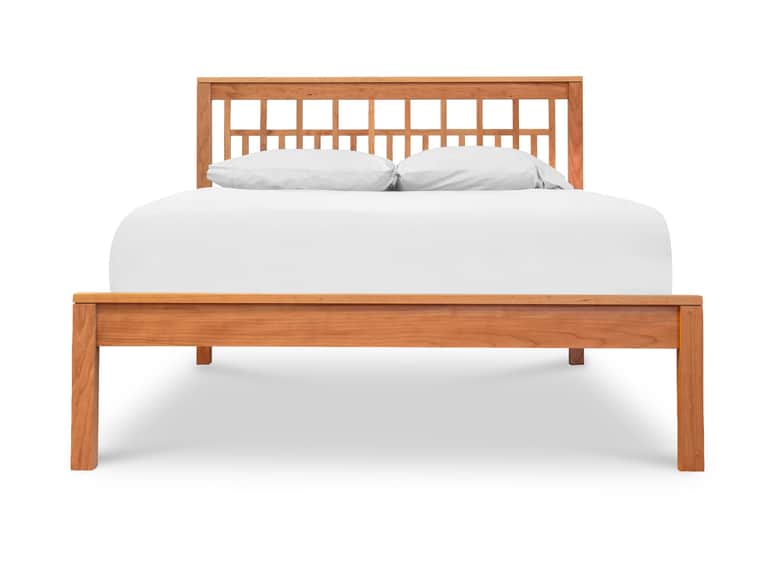
- Modern American Trellis Low Footboard Bed: For readers seeking a contemporary, low-profile aesthetic that still delivers solid support and easy bed access, this option demonstrates how design can prioritize ergonomics without sacrificing style.
The Practical Ergonomics Checklist (A Quick Reference)
- Assess your typical sleeping position and body height to choose a bed height range that keeps your spine aligned in a neutral position.
- Test mattress firmness in the context of your weight and sleep position; aim for even pressure distribution across the torso and hips.
- Ensure your pillow closely matches your neck curvature and sleeping posture to prevent whiplash and neck strain.
- Choose a frame with robust build quality and adequate edge support to minimize sagging when you roll toward the edge.
- Incorporate temperature regulation strategies—breathable covers, moisture-wicking fabrics, and airflow-friendly foundations.
Three Key Figures Across Time: A Narrative of Sleep Etiology
Hippocrates (c. 460–377 BCE)
Often celebrated as the father of medicine, Hippocrates advocated for observation and balance in daily life, including sleep hygiene. His holistic approach to health underscored the link between rest, posture, and bodily well-being—an early articulation of the idea that sleep quality influences physical and cognitive performance.
Florence Nightingale (1820–1910)
A champion of hospital design and environmental health, Nightingale’s emphasis on clean, well-ordered spaces, lighting, and air flow laid groundwork for sleep-friendly interior environments. Her advocacy for humane, evidence-informed design resonates with current sleep ergonomics, where room conditions and furniture layout contribute to restorative rest.
Dr. Matthew Walker (21st century)
A leading sleep scientist, Walker has popularized circadian biology and the science of sleep, emphasizing the consequences of misaligned sleep schedules and the importance of environmental cues. His work informs practical guidance on light exposure, timing, and sleep health that underpins ergonomic bedroom practices today.
Aesthetic and Editorial Note: Editorial Voice and Accessibility
This article blends evidence-based ergonomics with editorial storytelling inspired by People magazine’s accessible, human-centered style. It emphasizes practical tips, real-world brand references, and a compassionate voice designed to resonate with readers who seek improvements in daily sleep health without feeling overwhelmed by technical jargon.
The content is structured to be readable and actionable, with clear headings, short paragraphs, and practical checklists. Readers can use these sections as a quick reference guide or dive into the deeper explanations that explore how bed height, frame design, and mattress firmness interact to shape sleep quality.
Product Spotlight: Carolina Upholstered Bed and Friends
Carolina Upholstered Bed
Made to order in the USA with a maplewood frame and foam padding. Durable, refined construction with upholstery options for a tailored centerpiece.
Price: $5,495.00
Status: Available
Vispring Regal Superb
Hand-tufted with real Shetland wool and platinum-certified materials. A masterclass in comfort and edge stability.
Price: $7,300.00
Status: Available
Modern American Trellis Low Footboard Bed
Solid hardwood with ethical linseed oil finish, designed for lasting structure and a clean silhouette.
Price: $3,176.00
Modern American Trellis Low Footboard Bed (The Clean Bedroom)
Solid hardwood with no-VOC linseed oil and wax finish, offering a contemporary yet warm presence.
Price: $3,176.00
Local Context: Washington Sleep Resources and Research
This guide isn’t just about beds; it’s about the sleep ecosystem that surrounds them. In Washington state and Washington, D.C., sleep science centers, research universities, hospitals, and interior design studios collaborate to translate complex data into practical bedroom strategies. Readers can explore sleep medicine clinics near their communities, university-affiliated sleep laboratories, and design studios that emphasize sleep-friendly aesthetics.
Accessibility note: all recommendations prioritize non-commercial, evidence-informed guidance. Readers are invited to consult with medical professionals for personal sleep health concerns and to use brand examples as reference points for discussing ergonomics with designers or retailers.
Conclusion: An Ergonomic Path to Better Sleep
The intersection of bed height, frame design, mattress firmness, and pillow support forms a practical toolkit for improving sleep quality. By grounding decisions in ergonomic principles and drawing on trusted brands like Vispring and The Clean Bedroom, readers can craft a sleep environment that aligns with their body, posture, and daily rhythms. The stories of past medical pioneers and modern sleep scientists illuminate how far we’ve come—from ancient observations to modern circadian science—while a curated selection of premium products demonstrates that comfort, durability, and design can coexist in harmony.
If you’d like, I can tailor a downloadable Ergonomic Sleep Checklist or create a 12-week content plan that expands on these themes for Washington-focused readers.